Agility Is Not Chaos: What Workplace Agility Really Means for Administrative Assistants

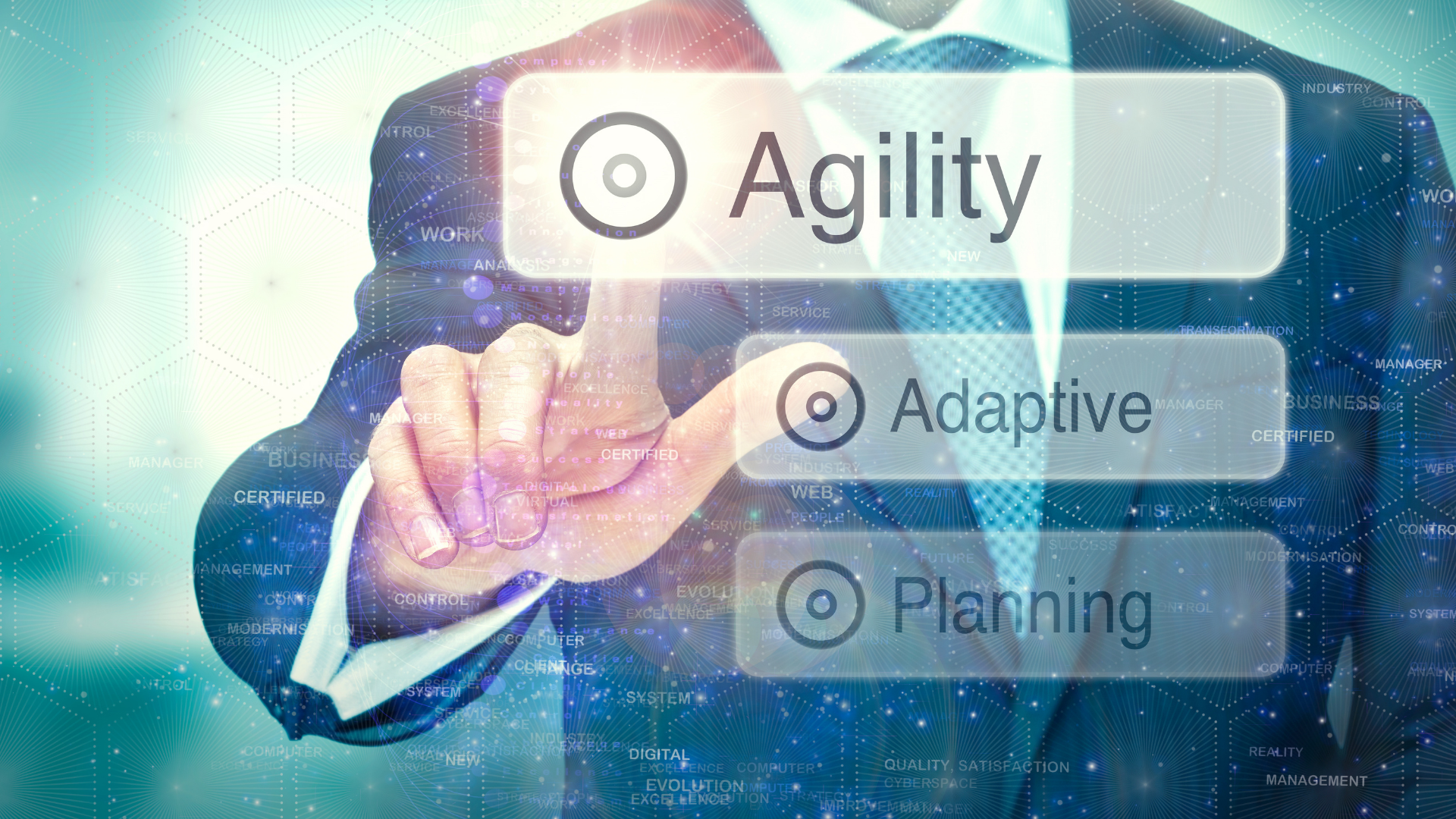
Workplace Agility for Assistants - Image of professional man pressing a computer button that says Agility

Why Workplace Agility Is Often Misunderstood

In today’s workplace, the word agile is everywhere. Leaders want agile teams. Organizations demand agile thinking. Administrative professionals are expected to be adaptable, flexible, and quick to respond. Workplace agility for assistants has become a professional expectation rather than a competitive advantage.

Yet despite how frequently the term is used, it is often misunderstood.

When you hear the word agile, you may think of speed. Many professionals associate agility with spontaneity, constant motion, and the ability to handle anything at a moment’s notice. In fast-paced executive environments, agility is sometimes equated with reacting immediately to every shift in direction or absorbing every new request without hesitation.

That interpretation, however, confuses agility with chaos.

The Difference Between Agility and Chaos

Chaos is reactive. It is driven by urgency rather than judgment. It is characterized by constant motion without reflection. In chaotic environments, decisions are made quickly but not always thoughtfully. Energy is expended, but clarity is often lacking.

Agility, by contrast, is intentional. It is not defined by speed alone but by discernment. It is your ability to adjust course without losing direction, respond to change without sacrificing stability, and move quickly without abandoning structure.

This distinction matters deeply in the executive office.

Why Workplace Agility for Assistants Matters

As an administrative or executive assistant, you operate at the center of constant motion. Calendars shift hourly. Meetings are restructured. Strategic priorities evolve mid-quarter. New information can alter the trajectory of an entire initiative.

In such an environment, it is easy to fall into reactive patterns.

But reactivity, even when efficient, is not the same as agility.

An agile assistant does more than respond quickly. You know when to pivot, when to pause, when to push back, and when to accelerate. Each of these actions requires conscious evaluation rather than reflex.

Knowing When to Pivot

Knowing when to pivot involves recognizing that a genuine priority shift has occurred and adjusting accordingly without resistance. It requires emotional composure and clarity.

Pivoting is not scrambling; it is recalibrating.

Knowing When to Pause

Equally important is knowing when to pause. Not every request requires immediate execution. In high-pressure environments, urgency can become contagious.

A truly agile professional understands that thoughtful delay can prevent costly mistakes.

Knowing When to Push Back

There are also moments when agility demands pushing back.

Strategic support does not mean unquestioned compliance. Raising concerns about scheduling conflicts, reputational risk, or incomplete information is not obstruction. It is protection.

One of the most valuable executive assistant skills is knowing when to respectfully challenge assumptions or bring attention to potential consequences before problems arise.

Knowing When to Accelerate

Finally, agility includes knowing when to accelerate.

Your ability to execute swiftly and confidently when decisions are made and momentum is required, is invaluable.

The thread connecting all four actions is discernment

Strategic Flexibility: The Foundation of Professional Agility

Discernment is the internal filter that allows you to evaluate context, anticipate consequences, and choose the most appropriate response.

Workplace agility is best understood as strategic flexibility. It is your capacity to adapt while remaining anchored to priorities and purpose. Strategic flexibility means being responsive without becoming destabilized.

This concept is especially relevant in a world increasingly shaped by AI and rapid change. Information moves faster than ever. Yet the value of thoughtful judgment increases alongside technological acceleration.

Master the 12 Dimensions of Agility

Today’s workplace demands more than quick reactions. It requires discernment, strategic flexibility, and the confidence to know when to pivot, pause, push back, or accelerate.

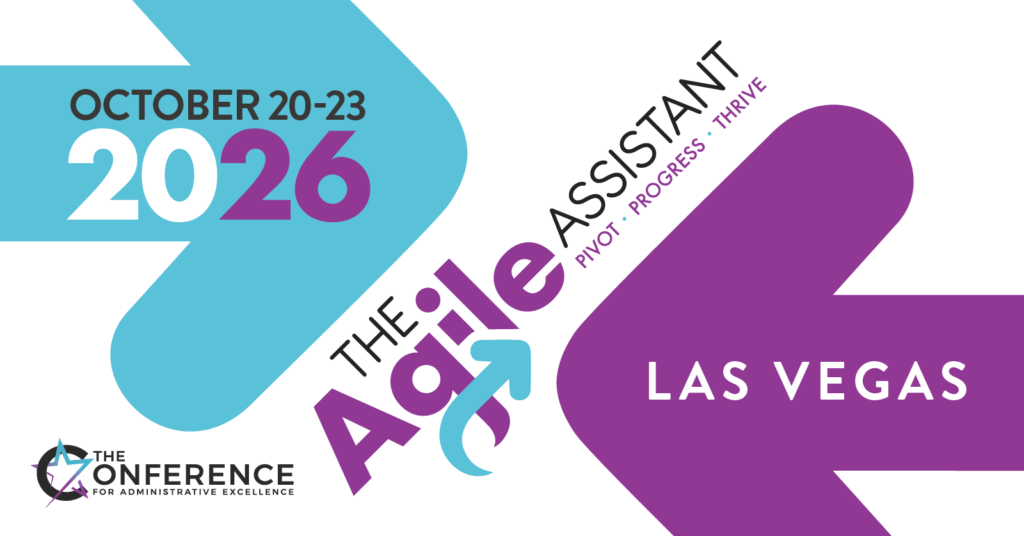
At the Conference for Administrative Excellence 2026, you’ll explore the 12 Dimensions of Agility—the essential skills that help administrative and executive assistants thrive in times of change.

Through practical sessions, expert insights, and meaningful connections, you’ll learn how to navigate uncertainty, support your leaders with confidence, and transform constant change into a powerful leadership advantage.

Why Busyness Is Not the Same as Agility

When agility is misunderstood as constant motion, professionals often report feeling scattered and exhausted.

Busyness is not agility, it is motion without intention.

True agility creates steadiness within change. Rather than being pulled in every direction, you evaluate which direction truly matters. Rather than responding emotionally to urgency, you assess impact and priority.

Sustainable performance requires disciplined responsiveness. It requires clarity about what truly deserves attention. It requires emotional regulation and communication that is both adaptive and precise.

How to Develop Workplace Agility

Agility is not about doing more, it is about choosing wisely.

It is the intelligent application of structure within movement. In a professional landscape defined by acceleration, your ability to respond thoughtfully rather than react reflexively is rare and powerful.

Workplace agility for assistants is not chaos. It is disciplined movement guided by discernment. It is strategic flexibility anchored in purpose. And when you understand agility and its 12 dimensions correctly, it transforms constant change from a source of stress into an opportunity for leadership.

Key Takeaways

  • Workplace agility for assistants is not the same as chaos.
  • Agility requires discernment, not just speed.
  • Agile assistants know when to pivot, pause, push back, and accelerate.
  • Strategic flexibility allows you to adapt without losing focus.
  • Busyness is motion; agility is intentional action.
  • Thoughtful judgment becomes more valuable as workplace change accelerates.

Share this post

YOU MAY ALSO ENJOY THESE ARTICLES

Office Dynamics International
5575 S. Durango Dr. Ste. 106
Las Vegas, NV 89113

Planning to Attend?

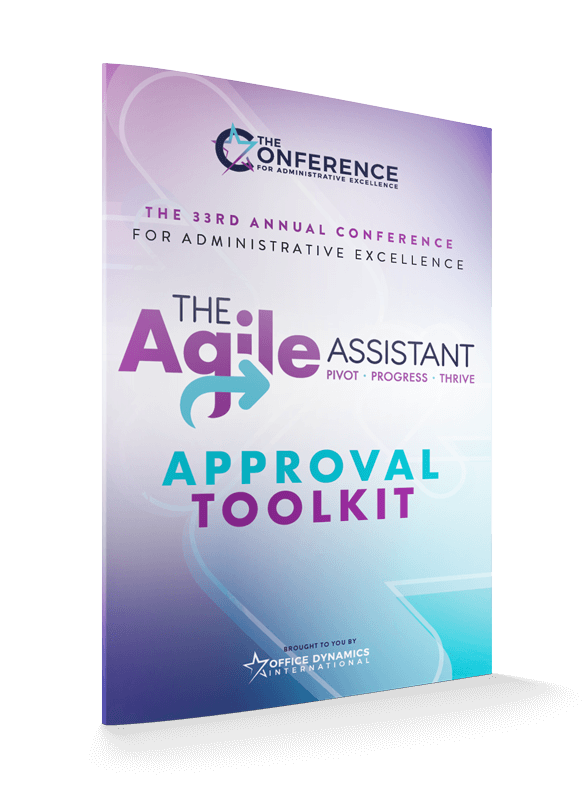
Before you ask for approval, grab our free Conference Approval Toolkit. Complete with the 2026 brochure, a business case, customizable approval letters, and a guide to framing ROI and organizational impact.

Be prepared. Be strategic. Be ready.

Priscilla Pfeiffer

Priscilla Pfeiffer

Speaker | Entertainer | Trainer | TEDx Speaker

You Don’t Matter, Or Do You?

In today’s fast-paced business world, the role of administrative and executive assistants is more crucial than ever in driving innovation and positive change within organizations. However, a common pitfall is that many organizations dive headfirst into radical change without first understanding the heart of the people responsible for implementing it. This dynamic keynote, which includes mesmerizing entertainment elements, will shine a light on the transformative power of seemingly insignificant actions, inspiring you to take the first step towards positioning yourself as a key catalyst to SPARK success.

In this session, you will…

  • Discover how small, intentional actions can have a ripple effect. 
  • Gain strategies for positioning yourself for success within your teams and organizations.
  • Feel empowered to become a catalyst for positive change within your respective spheres, without the burnout.
  • Be inspired to initiate bold actions that can lead to significant personal and professional growth.

Priscilla Pfeiffer, a seasoned professional, boasts a two-decade career in entertainment and business. Her unique show business background allows her to craft mesmerizing performances, leaving enduring memories. Focused on delivering resonant and empowering messages that inspire audiences to make an impact in the world, she illuminates individuals to unlock their full potential in both personal and professional lives.

Renowned for creating “wow factor” moments, Priscilla has an esteemed clientele, including brands like BMW, LinkedIn, iHeart Radio, Michael Jordan’s Air Jordans, Pfizer, Bacardi, Cosmo Latina Magazine, and Zappos. Her impressive credits include sharing the stage with Joan Jett, Will-i-am, Pitbull, Enrique Iglesias, and Marc Anthony, as well as performances on America’s Got Talent, The Latin Grammy Awards, The NHL Awards, Comic Relief, and Celebrity Cruises. Priscilla has also graced the prestigious TEDx stage, where she delivered a compelling talk that resonated with audiences, showcasing her ability to captivate and inspire on a global platform.

In addition, Priscilla hosts the podcast “Spark Your Inner Fire” which delves into the creative mind, torching the inner critic, and reigniting purpose. Through interviews with world-renowned creatives, she shares stories and wisdom, illuminating listeners on their journeys.

In essence, Priscilla Pfeiffer is not only a veteran but a trailblazer whose performances consistently inspire, motivate, and create lasting impressions.